

Blog

Before the Next Pacific Storm: Prune for Safety and Stability When Sonoma and Napa residents think of “winter storms,” they picture rain and wind—not ice or snow. But those Pacific storm systems can still pack a serious punch. Between late fall and early spring, atmospheric rivers bring intense rainfall and gusty winds strong enough to topple weakened trees or send heavy limbs crashing down. That’s why fall is the ideal time for preventive pruning. By addressing structural issues now, you can dramatically reduce storm damage, protect your property, and keep your trees healthy through the wet season. Why Early Pruning Matters As fall progresses, Sonoma’s soils start to saturate—especially in clay-heavy zones common around Santa Rosa, Petaluma, and Kenwood. When strong winds meet softened ground, even healthy trees can lose their footing. Pruning early in the season: Removes weak or overextended limbs before storms stress them. Reduces overall canopy weight so roots hold steady in wet soil. Helps wind flow more evenly through the canopy instead of catching and twisting branches. The key is timing: once winter storms arrive, pruning becomes reactive instead of preventive. Working proactively ensures your trees are balanced and ready before those first atmospheric river systems roll through. How Storm-Prep Pruning Protects Your Trees 1. Canopy Thinning Selective thinning reduces wind resistance, allowing gusts to pass through instead of pushing the canopy like a sail. This is especially important for broadleaf evergreens like coast live oaks and ornamental pears, which retain foliage year-round. 2. Deadwood Removal Dead or decaying branches are the first to break under stress. Removing them now prevents both property damage and the spread of decay fungi during the wet season. 3. Structural Pruning Arborists correct weak branch unions and imbalanced growth—issues that often go unnoticed until failure occurs. On tall species like redwoods or fast-growing eucalyptus, this step is crucial for long-term stability. 4. Clearance Pruning Trimming branches near roofs, driveways, and utility lines prevents interference and minimizes cleanup after storms. It’s a practical step for both safety and convenience. Local Trees That Benefit Most Sonoma and Napa landscapes feature a diverse mix of native and ornamental trees. Each responds differently to storm stress: Coast Live Oak: Strong but dense; interior thinning reduces wind load. Redwood: Tall and shallow-rooted—benefits from crown balancing to prevent lean. Eucalyptus: Brittle wood and long limbs make it highly susceptible to wind breakage. Ornamental Pear: Dense canopies often split at branch unions during heavy rain. By focusing on species-specific pruning, TreePro ensures each tree retains its natural form while improving safety and structural resilience. Warning Signs Before a Storm Not sure if your trees are at risk? Look for: Cracks or splits where branches meet the trunk Dead limbs or hanging branches Leaning trees or mounded soil at the base (a sign of root plate movement) Branches rubbing against one another Dense canopies with minimal airflow If you notice any of these issues, schedule a professional inspection before the next big wind event. Safety and Property Protection for Every Landscape For homeowners, HOAs, and vineyard managers, tree stability is both a safety issue and a property investment. A single fallen limb can damage fencing, vehicles, or irrigation infrastructure. For vineyards, toppled trees can block access roads or damage trellises. TreePro’s storm-prep pruning services are customized for each property type—from suburban yards to expansive oak woodlands—ensuring both aesthetic balance and safety compliance. TreePro’s Expert Storm-Prep Services With over 30 years of local experience, TreePro’s ISA-certified arborists understand how Sonoma’s microclimates and soil conditions affect tree stability. Our storm-prep services include: Structural and canopy thinning Hazard limb and deadwood removal Roof and powerline clearance pruning Storm cleanup and emergency response Every visit starts with a safety-focused inspection to identify high-risk limbs before they become a problem. Pro Tip from TreePro Experts Pruning too aggressively during the dormant season can delay spring recovery. The sweet spot for storm-prep pruning is mid-fall through early winter—when growth slows, but before cold, saturated conditions set in. Prepare Before the First Big Storm By Calling Tree Pro Sonoma Once the first major storm hits, tree service schedules fill quickly with emergency calls. Acting now means your trees are cared for under calm conditions—not crisis mode. Contact TreePro today at (707) 285-9330 or request service online to schedule your storm-prep pruning before the next Pacific front arrives.

Storm-Prep Pruning: Protect Your Sonoma Trees Before Heavy Rain and Wind Arrive

Before the Next Pacific Storm: Prune for Safety and Stability

When Sonoma and Napa residents think of “winter storms,” they picture rain and wind—not ice or snow. But those Pacific storm systems can still pack a serious punch. Between late fall and early spring, atmospheric rivers bring intense rainfall and gusty winds strong enough to topple weakened trees or send heavy limbs crashing down.

That’s why fall is the ideal time for preventive pruning. By addressing structural issues now, you can dramatically reduce storm damage, protect your property, and keep your trees healthy through the wet season.

Why Early Pruning Matters

As fall progresses, Sonoma’s soils start to saturate—especially in clay-heavy zones common around Santa Rosa, Petaluma, and Kenwood. When strong winds meet softened ground, even healthy trees can lose their footing.

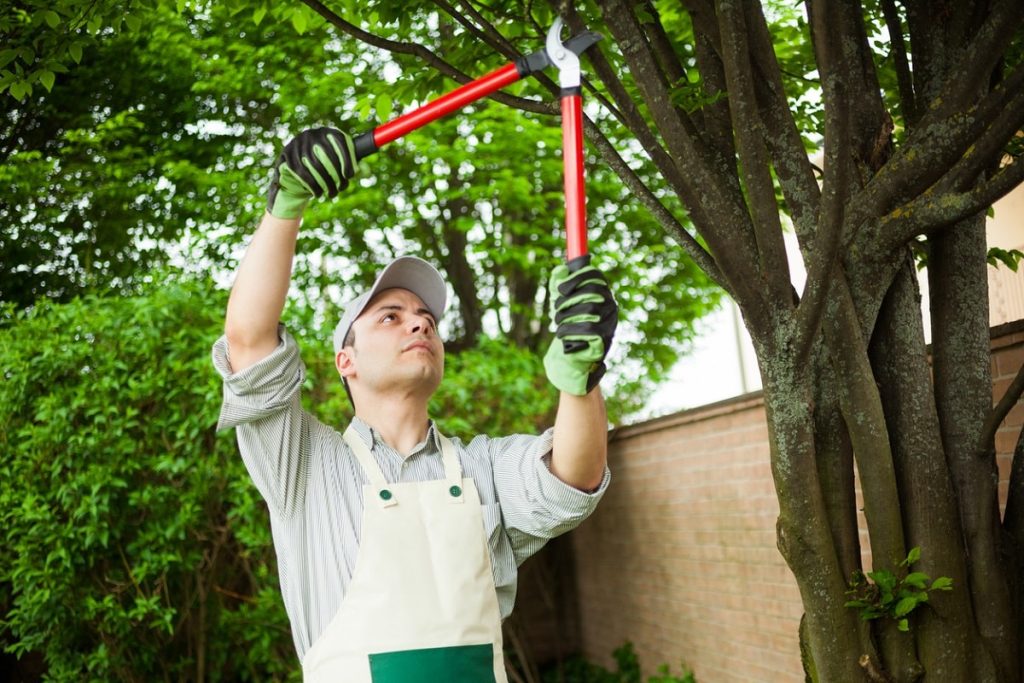
Pruning early in the season:

  • Removes weak or overextended limbs before storms stress them.
  • Reduces overall canopy weight so roots hold steady in wet soil.
  • Helps wind flow more evenly through the canopy instead of catching and twisting branches.

The key is timing: once winter storms arrive, pruning becomes reactive instead of preventive. Working proactively ensures your trees are balanced and ready before those first atmospheric river systems roll through.

How Storm-Prep Pruning Protects Your Trees

1. Canopy Thinning

Selective thinning reduces wind resistance, allowing gusts to pass through instead of pushing the canopy like a sail. This is especially important for broadleaf evergreens like coast live oaks and ornamental pears, which retain foliage year-round.

2. Deadwood Removal

Dead or decaying branches are the first to break under stress. Removing them now prevents both property damage and the spread of decay fungi during the wet season.

3. Structural Pruning

Arborists correct weak branch unions and imbalanced growth—issues that often go unnoticed until failure occurs. On tall species like redwoods or fast-growing eucalyptus, this step is crucial for long-term stability.

4. Clearance Pruning

Trimming branches near roofs, driveways, and utility lines prevents interference and minimizes cleanup after storms. It’s a practical step for both safety and convenience.

Local Trees That Benefit Most

Sonoma and Napa landscapes feature a diverse mix of native and ornamental trees. Each responds differently to storm stress:

  • Coast Live Oak: Strong but dense; interior thinning reduces wind load.
  • Redwood: Tall and shallow-rooted—benefits from crown balancing to prevent lean.
  • Eucalyptus: Brittle wood and long limbs make it highly susceptible to wind breakage.
  • Ornamental Pear: Dense canopies often split at branch unions during heavy rain.

By focusing on species-specific pruning, TreePro ensures each tree retains its natural form while improving safety and structural resilience.

Warning Signs Before a Storm

Not sure if your trees are at risk? Look for:

  • Cracks or splits where branches meet the trunk
  • Dead limbs or hanging branches
  • Leaning trees or mounded soil at the base (a sign of root plate movement)
  • Branches rubbing against one another
  • Dense canopies with minimal airflow

If you notice any of these issues, schedule a professional inspection before the next big wind event.

Safety and Property Protection for Every Landscape

For homeowners, HOAs, and vineyard managers, tree stability is both a safety issue and a property investment. A single fallen limb can damage fencing, vehicles, or irrigation infrastructure. For vineyards, toppled trees can block access roads or damage trellises.

TreePro’s storm-prep pruning services are customized for each property type—from suburban yards to expansive oak woodlands—ensuring both aesthetic balance and safety compliance.

TreePro’s Expert Storm-Prep Services

With over 30 years of local experience, TreePro’s ISA-certified arborists understand how Sonoma’s microclimates and soil conditions affect tree stability. Our storm-prep services include:

Every visit starts with a safety-focused inspection to identify high-risk limbs before they become a problem.

Pro Tip from TreePro Experts

Pruning too aggressively during the dormant season can delay spring recovery. The sweet spot for storm-prep pruning is mid-fall through early winter—when growth slows, but before cold, saturated conditions set in.

Prepare Before the First Big Storm By Calling Tree Pro Sonoma

Once the first major storm hits, tree service schedules fill quickly with emergency calls. Acting now means your trees are cared for under calm conditions—not crisis mode.

Inner CTA